Title 24 Window Compliance in California: What the Spec Sheet Actually Means
Title 24 window compliance California explained — U-factor, SHGC, climate zones, what fails inspection, and the exact spec to ask for. By Drew Guthrie, CSLB #887882.
 Written by Drew Guthrie, Owner & Lead Estimator · Updated May 22, 2026
TL;DR
- Title 24 window compliance California explained — U-factor, SHGC, climate zones, what fails inspection, and the exact spec to ask for.
- By Drew Guthrie, CSLB #887882.
Title 24 window compliance in California comes down to two numbers on the NFRC label. In Temecula's Climate Zone 10, replacement windows need a U-factor of 0.30 or lower and an SHGC of 0.23 or lower under the 2025 Energy Code, the same limits as the 2022 code.
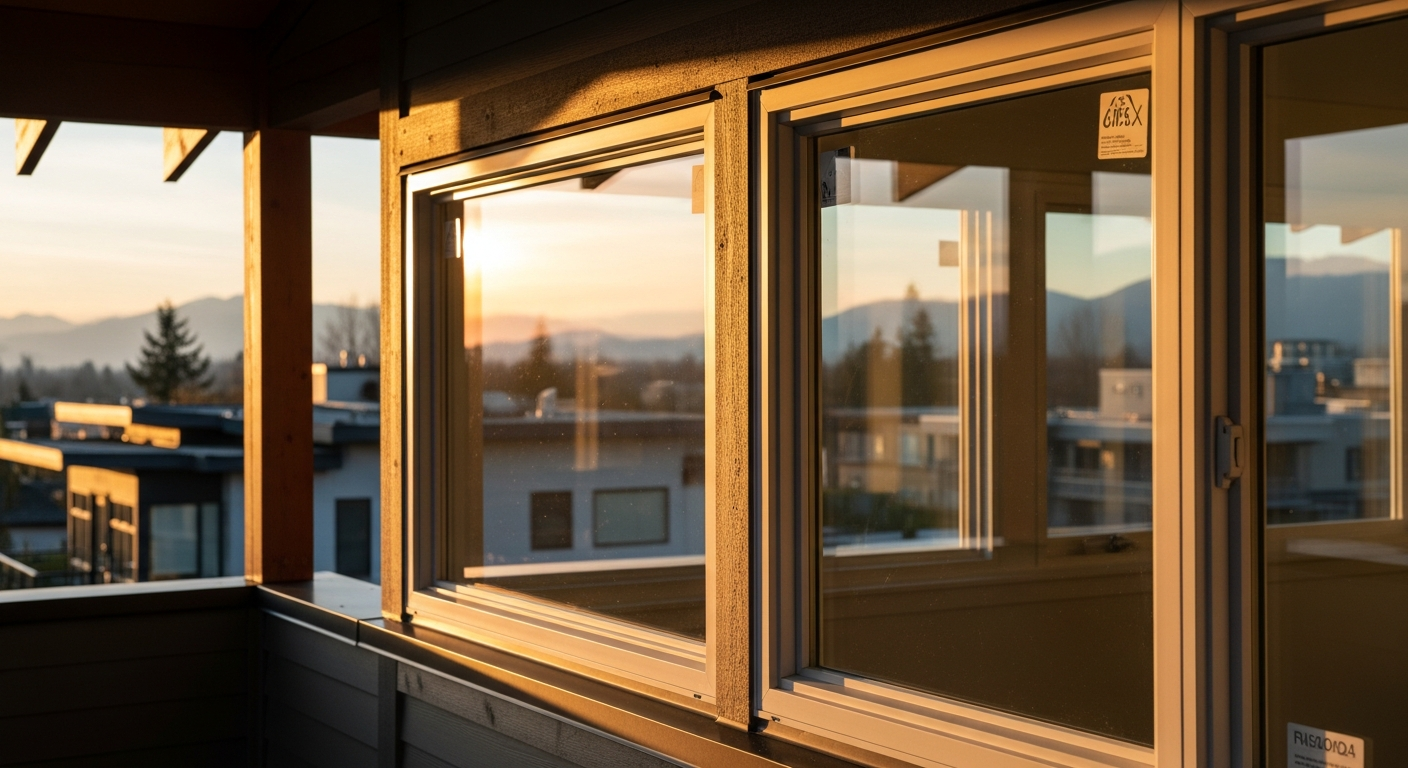
If the glass package on a permitted job misses those numbers, the job can't pass final inspection until the windows are corrected.
I'm Drew Guthrie, owner of Temecula Windows & Doors (CSLB #887882). I pull the Title 24 paperwork on our permitted jobs and meet the inspector on site. This guide covers the numbers, the exceptions, and what to ask before you sign.
- California's Title 24 Part 6, the California Energy Code, sets maximum U-factor and SHGC values for windows. Temecula is in Climate Zone 10.
- For replacement windows in Zone 10, the prescriptive limits are U-factor 0.30 and SHGC 0.23 on every orientation, as an area-weighted average. Jobs replacing 75 square feet of glass or less may use U-0.40 and SHGC 0.35.
- Title 24 covers new construction and most permitted replacement projects — not just new builds.
- If a contractor doesn't bring up Title 24 during a quote, either they're not pulling a permit or they don't know the code. Either way, stop there.
- Every written quote from Temecula Windows & Doors includes the exact frame system, glass package, U-factor, SHGC, and Title 24 compliance documentation — before you sign.
What Is Title 24 Window Compliance in California?
Title 24 is California's statewide building standards code. Part 6 of Title 24 is the California Energy Code. It sets minimum energy efficiency requirements for building materials and systems — including windows, exterior doors, and any glazed assembly that connects to the outside of a building.
The California Energy Commission (CEC) updates the code on a three-year cycle. The 2025 Energy Code applies to permit applications submitted on or after January 1, 2026, replacing the 2022 code that took effect January 1, 2023. For windows in Climate Zone 10, the U-factor and SHGC limits are the same in both editions.
Windows are in the code because they are a major path for heat. According to the U.S. Department of Energy, heat gain and heat loss through windows are responsible for about 25–30% of residential heating and cooling energy use.
The code measures two things:
U-factor — The rate of heat flow through the window assembly. Lower numbers mean better thermal resistance. A window rated U-0.27 holds heat in — or out — more effectively than one rated U-0.40.
SHGC (Solar Heat Gain Coefficient) — The fraction of solar radiation that passes through the glass and converts to heat inside your home. Lower is better in a hot climate. A window with SHGC 0.20 blocks significantly more solar-driven heat than one at SHGC 0.35.
Rated products carry an NFRC label with both numbers. A product without NFRC ratings has to use the Energy Code's default values instead, and those defaults are far above the Zone 10 limits (a non-metal operable double-pane window defaults to U-0.58). In practice, you want NFRC-rated windows.
Why Does Temecula's Climate Zone Make Window Requirements Stricter?
California has 16 climate zones, numbered 1 through 16. Your zone determines which U-factor and SHGC thresholds your windows have to clear.
Temecula sits in Climate Zone 10; ZIP codes 92590, 92591 and 92592 all map to it in the climate zone lookup. Check your own ZIP code before ordering.
For Zone 10, the 2025 Energy Code's prescriptive package (Table 150.1-A) sets:
- U-factor: ≤ 0.30
- SHGC: ≤ 0.23
Both are area-weighted averages across the installed windows and glazed doors, and the SHGC limit applies on every orientation. Climate Zones 1, 3, 5 and 16 have no prescriptive SHGC limit; Climate Zone 15 is tighter at 0.20.
Does Title 24 Apply to Window Replacements or Just New Construction?
Both.
New construction is obvious. Every window in a new build must meet Title 24 specs for its climate zone from the start.
For existing homes, the Energy Code handles window work in three ways:
Added fenestration (a new opening, or more glass area than before):
- Must meet the U-factor, SHGC, total window area, and west-facing window area limits for the climate zone
- Up to 16 square feet of added glass is exempt from the total and west-facing area limits
Replacement fenestration (new windows in existing openings, same total area):
- Must meet the Zone 10 limits of U-factor 0.30 and SHGC 0.23
Exceptions and repairs:
- Replacing 75 square feet of vertical glass or less: U-factor 0.40 and SHGC 0.35 are allowed. Glass replaced in an existing sash and frame, or a sash replaced in an existing frame, is a repair, as long as the new glass performs at least as well as the original.
Whether your job needs a building permit is the building department's call. Inside Temecula city limits, ask the City of Temecula Building & Safety Division (permit desk (951) 694-6476); unincorporated addresses go through Riverside County. Unpermitted work can come up later, for example when a buyer asks about it during a sale.
How Do You Read an NFRC Label for Title 24 Compliance?
The NFRC label is the certification sticker on every code-compliant window. Here's what it shows and what you're looking for:
U-factor: for Temecula (Zone 10), 0.30 or lower.
Solar Heat Gain Coefficient (SHGC): for Zone 10, 0.23 or lower, on every orientation.
Visible Transmittance (VT): the share of visible light that passes through the glass. It isn't one of the Zone 10 single-family window limits, but it matters when you're balancing daylight against heat control. A dark low-e coating that drives SHGC very low can make rooms feel dim.
Air Leakage (AL): measured in cubic feet per minute per square foot. The Energy Code's mandatory limit for manufactured windows and residential doors is 0.3 cfm/ft².
Condensation Resistance (CR): more relevant in cold climates.
A compliant spec for Zone 10 reads like this: dual-pane vinyl frame, spectrally selective low-e coating, argon fill, NFRC-rated U-factor at or below 0.30 and SHGC at or below 0.23. When I write a quote for window replacement, the frame, glass package, and rated values are on it before we order a single unit.
What's the Difference Between Title 24 Compliance and Energy Star?
They're different programs with different climate zones and different limits.
ENERGY STAR is a federal certification run by the EPA. Its window criteria are tiered by climate: Northern, North-Central, South-Central, and Southern.
Title 24 is California law, and it isn't always the stricter of the two.
ENERGY STAR Version 7.0 (effective October 23, 2023) sets SHGC at 0.23 or lower for both the South-Central and Southern zones, the same as Title 24's Zone 10 limit. The U-factor is where they differ: 0.28 in South-Central, which is stricter than Title 24's 0.30, and 0.32 in Southern, which is looser. A Southern-zone ENERGY STAR window rated U-0.32 would not meet the Zone 10 prescriptive limit.
ENERGY STAR certification isn't Title 24 compliance. The Energy Code checks the NFRC-rated U-factor and SHGC of the product you install.
When a salesperson tells you "these are Energy Star certified" — that's not the answer you need. Ask for the NFRC label. Ask for the U-factor and the SHGC. Then check those numbers against the Zone 10 compliance table.
I check the NFRC values against the Zone 10 limits before ordering.
What Frame Material Passes Title 24 Most Reliably?
Title 24 rates the window as a complete assembly — frame, glass, spacer, and hardware configuration together. Frame material directly affects U-factor, and you can't separate the two.
Vinyl frames: standard for residential replacement work in Zone 10. Multi-chamber vinyl with a low-e, argon-filled glass package is available from multiple manufacturers with ratings that meet the Zone 10 limits.
Fiberglass frames: take a painted finish and hold their shape over time. They cost more than vinyl and are worth discussing for large openings or premium installations.
Aluminum frames: metal conducts heat readily, so check the NFRC rating carefully. Thermally broken aluminum separates the inside and outside of the frame with a low-conductivity barrier. It can meet the limits, but confirm the numbers before ordering.
Wood frames: less common on Temecula replacement jobs, and they need regular finish maintenance in strong sun.
For most Temecula tract homes, quality dual-pane vinyl with a low-e, argon-filled glass package is the practical path to compliance.
What Glass Packages Actually Meet Title 24 in Zone 10?
Glass is where most of the compliance work happens. The frame gets you in the right range. The glass package is what makes or breaks the NFRC rating.
Dual-pane, low-e coating, argon-filled: the Zone 10 baseline. The low-e coating cuts heat transfer and solar gain; argon slows conduction between the panes. Ratings vary by coating, so read the NFRC label for both numbers.
Triple-pane with low-e: not required in Zone 10, where dual-pane units can meet the prescriptive limits. Triple-pane adds weight, cost, and frame depth.
Spectrally selective low-e coatings: these cut solar heat while letting more visible light through, which helps on west- and south-facing glass where you want a low SHGC without dark-looking windows.
Single-pane: can't meet the prescriptive U-factor limit in any California climate zone. The Energy Code's default U-factor for a single-pane metal operable window is 1.28, well above even the 0.40 small-job allowance. If your Temecula home still has single-pane aluminum sliders from the original build, replacing them under permit with a compliant glass package addresses windows' share of heating and cooling energy use.
Does Title 24 Apply to Sliding Glass Doors and Multi-Track Systems?
Yes. Title 24 treats any exterior door with 25 percent or more glass as a glazed door, and glazed doors must meet the same U-factor and SHGC requirements as windows.
This catches homeowners off guard. An 8-foot patio slider is a large area of glass, and it counts toward the same area-weighted U-factor and SHGC averages as your windows.
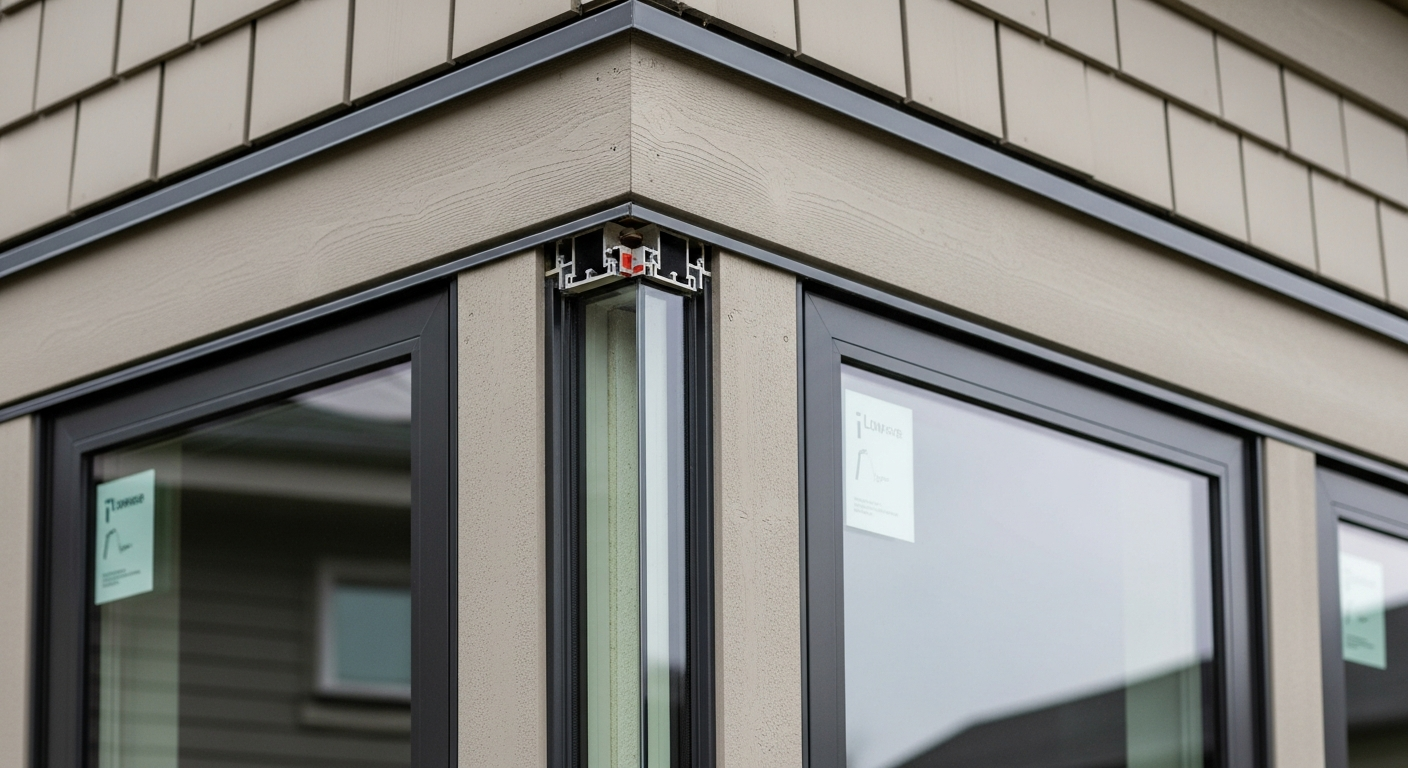
For large multi-track systems — stacking glass wall configurations — compliance is calculated per the full assembly. Frame system, glass package, and track configuration all factor into the NFRC ratings. These systems require careful spec work before ordering.
Standard door replacement involving a hinged exterior door with less than 25 percent glass follows the opaque door requirements instead. But if you're replacing a sliding patio door or a French door system with large glass panels, Title 24 fenestration rules apply in full.
If you're planning door installation for a multi-slide or pocket door system, get the NFRC documentation for the door assembly specifically. Don't assume a window-compliant glass package automatically means the door clears. Frame assembly ratings differ between product lines, and door frame systems typically produce different U-factor performance than window frames with the same glass insert.
What Permits Do You Need for Window Replacement in Riverside County?
Inside Temecula city limits, permits go through the City of Temecula Building & Safety Division; unincorporated areas go through Riverside County Building & Safety, and other cities run their own departments. The City of Temecula's remodel submittal list includes a building permit application, plans, and Title 24 energy forms where applicable. The general sequence:
1. Submit a permit application to your city's building department, or to Riverside County Building & Safety for unincorporated areas 2. Provide energy compliance documentation: the CEC compliance form and NFRC-rated window specs 3. Pay the plan check and permit fees set by that department 4. Request inspection before any permitted work is covered up 5. Final sign-off closes the permit
I pull the permit, file the Title 24 paperwork, and meet the inspector on site. The permit fee is its own line on the written quote, not a surprise after signing.
Skipping a required permit can cause problems later, for example when a buyer or their inspector asks about unpermitted window work.
What Happens When Windows Fail a Title 24 Inspection?
Correction notice. The inspector documents the problem, and you re-specify, re-order, and reschedule. How long that takes depends on the manufacturer's lead time.
No final sign-off. The permit stays open until the work passes, which can complicate a later sale.
Remove and replace. In serious cases, installed windows have to come back out. The framing is re-exposed. You're paying for two installations and a stucco or siding repair on top of the second window cost.
The fix is simple: confirm the NFRC ratings before the order goes in, and have the Title 24 compliance paperwork on site the day the inspector arrives.
On our permitted jobs, the compliance paperwork and NFRC ratings come to the inspection.
What Should You Ask Any Window Contractor Before Signing?
Five questions. If a contractor stumbles on any of them, that tells you everything.
1. Are you pulling the permit? A direct yes — with the permit fee itemized in the quote — is the only acceptable answer.
2. What is the U-factor and SHGC on the windows you're quoting? They should answer from a spec sheet, immediately.
3. Are these windows NFRC rated? Unrated products must use the Energy Code's default values, which won't meet the Zone 10 limits.
4. What climate zone am I in, and do these specs meet the prescriptive limits? Temecula is Zone 10: U-factor 0.30 or lower and SHGC 0.23 or lower, or U-0.40 and SHGC 0.35 if the job replaces 75 square feet of glass or less.
5. Will you provide Title 24 compliance documentation before I sign the contract? Yes. Pre-signature. Not the morning of install.
Every quote I write for window replacement answers all five: frame system, manufacturer, glass package, NFRC ratings, climate zone, permit fee, and haul-away, each on its own line, before you commit to anything.
How Does Title 24 Affect Sundecks and Covered Outdoor Structures?
If your project adds glazed walls, a glass roof, or skylights to a room you'll heat or cool, treat that glass like a window order: NFRC-rated and checked against the Zone 10 limits. For sundeck construction projects with glass enclosures, the glazing specs belong in the permit submission.
A common mistake on outdoor structures is framing first and sourcing glass panels later. Spec the glazing before framing starts.
What's the Most Common Title 24 Mistake Contractors Make in Temecula?
Using ENERGY STAR as a Title 24 proxy. A Southern-zone ENERGY STAR window can be rated up to U-0.32, above the Zone 10 limit of 0.30.
Ordering windows before confirming the NFRC ratings. Some vendors sell "Title 24 compliant" windows without saying which zone. Climate Zone 3 has no prescriptive SHGC limit, so a window sold as compliant there may miss Zone 10's 0.23. Ask every supplier: Zone 10 compliant, specifically?
Using the wrong compliance path. Title 24 offers a prescriptive path, where you meet the fixed limits for your zone, and a performance path, which models the whole building's energy use and allows tradeoffs. Prescriptive is simpler and works for most residential replacements.
No documentation on site. Inspectors need paper in hand: CEC compliance form, NFRC label data, and frame system specs. If the documents are back at the office, the inspection can't be completed.
Checking U-factor only. Both limits apply: a window rated U-0.28 with SHGC 0.27 meets the U-factor limit and misses the SHGC limit.

FAQ
Does Title 24 apply if I'm replacing just one window?
Yes. A replacement window is an alteration under the Energy Code. For small replacement jobs of 75 square feet of vertical glass or less, the prescriptive limits relax to U-factor 0.40 and SHGC 0.35. If only the glass is replaced in the existing sash and frame, the Energy Code treats it as a repair, provided the new glass performs at least as well as the old. Whether a permit is needed is up to your building department.
What's the difference between U-factor and R-value for windows?
R-value measures thermal resistance — the insulation metric you see on batts and rigid foam, where higher is better. U-factor measures the rate of heat flow through a window assembly — lower is better. They're mathematical inverses: a U-factor of 0.25 equals approximately R-4. California Title 24 uses U-factor as the fenestration compliance standard, not R-value. When a salesperson quotes R-values on windows, ask for the NFRC U-factor. That's the number the inspector checks.
Can I use dual-pane windows without a low-e coating and still pass Title 24 in Zone 10?
No. The Energy Code's default U-factor for an unrated double-pane window with a non-metal operable frame is 0.58, and uncoated clear glass lets most solar heat through, so both limits are out of reach. Low-e coating is what gets U-factor to 0.30 and SHGC to 0.23. If a contractor quotes "dual-pane" without the coating type and gas fill, you don't have enough information to know whether the spec passes. Ask for the coating designation, the gas fill, and the NFRC ratings before agreeing to anything.
Are there utility rebates for Title 24 compliant windows in Temecula?
Title 24 sets the minimum. Utility incentives change by program cycle, so check with your electric utility and the ENERGY STAR Rebate Finder before you buy. The federal Section 25C Energy Efficient Home Improvement Credit, which covered qualifying windows, doesn't apply to property placed in service after December 31, 2025, under Public Law 119-21.
Does Title 24 compliance cover the whole window or just the glass?
The whole assembly — frame, glass, spacer system, and hardware configuration. The NFRC label rates the complete unit as installed, not the glass insert alone. That's why frame material matters for compliance. A multi-chamber vinyl frame performs differently than a non-thermally-broken aluminum frame even with identical glass. Swapping a glass insert into a non-thermally-broken aluminum frame and citing only the glass panel's U-factor as your compliance number is incorrect — and it fails inspection. Your compliance documentation has to reflect the full installed assembly.
How do I know if my existing windows are Title 24 compliant?
If your windows were installed under a permit, they had to meet the code in effect at the time, but seals and coatings can degrade. The NFRC label on new windows is a temporary sticker that's usually removed after installation, so ask for the original paperwork or have a licensed contractor identify the product before assuming it would pass today.
What does "prescriptive path" versus "performance path" mean for Title 24?
The prescriptive path is the simpler route: your windows meet or beat the fixed limits for your climate zone (Zone 10: U-factor 0.30 and SHGC 0.23, area-weighted). Verify the NFRC numbers against the table and you're done. The performance path models the whole building's energy use and allows tradeoffs, so better insulation or equipment can offset higher window values. Most residential replacement projects use the prescriptive path because it's simpler and less expensive to document.
Get a Written Quote With the Exact Spec — Before You Sign
Title 24 window compliance isn't complicated. It becomes complicated when a contractor doesn't verify the right glass package before ordering, doesn't pull a permit, or shows up to inspection without the paperwork.
Call Drew at Temecula Windows & Doors: (951) 757-4340
Every written quote includes:
- The exact frame system and manufacturer
- Glass package with U-factor and SHGC from the NFRC label
- Climate Zone 10 compliance documentation
- Permit fee — we pull it, you never need to contact the building department
- Haul-away of your existing units
Every project is quoted in writing after a full measure. Spec sheet, glass package, hardware, permits, and haul-away are all on separate line items. No surprises at sign-off.
CSLB #887882. Title 24 compliance included. No surprises at inspection.
Ready for a written quote?
Call (951) 757-4340 or request a free quote online. Drew will be at your door within a week.